

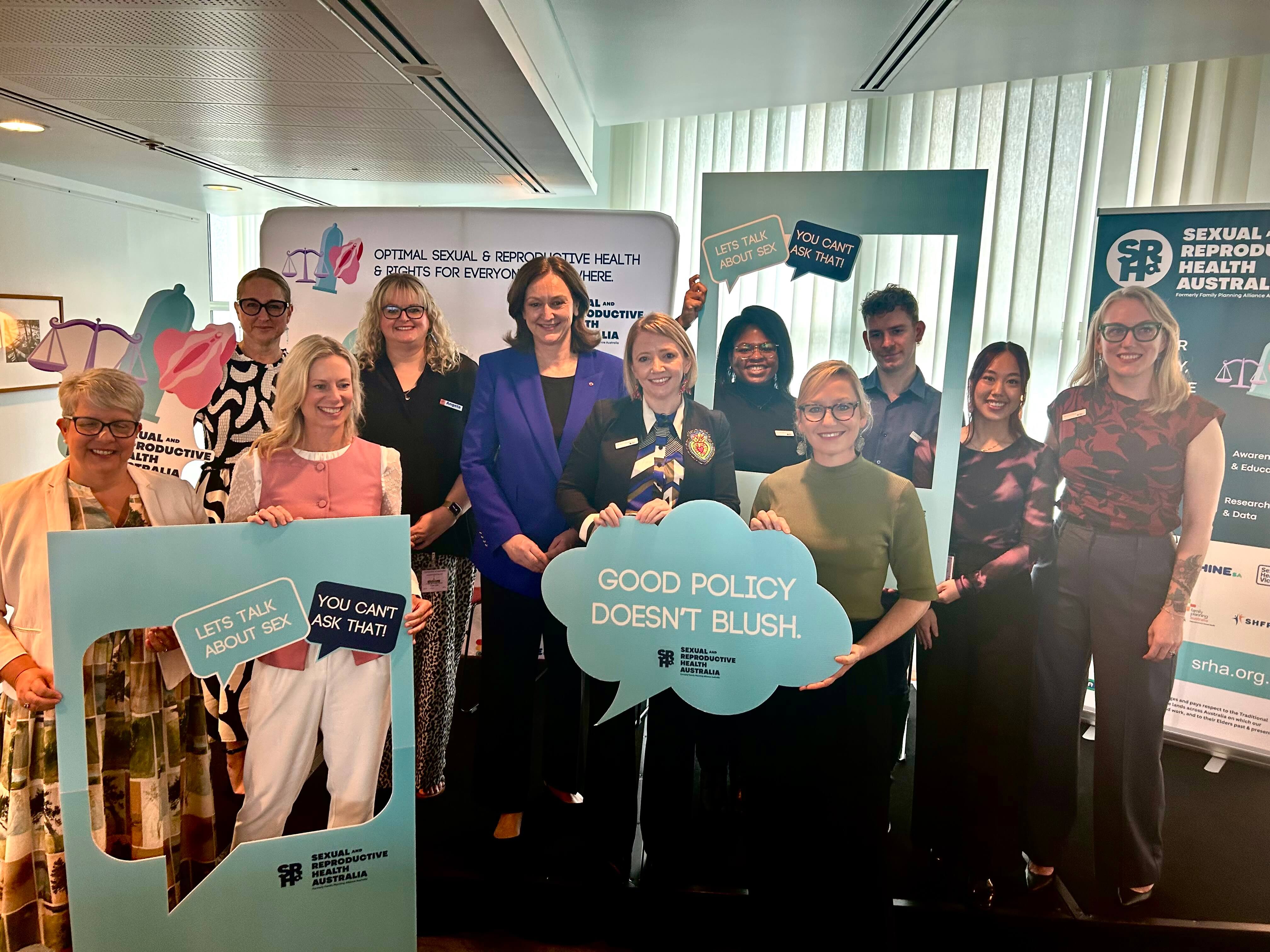
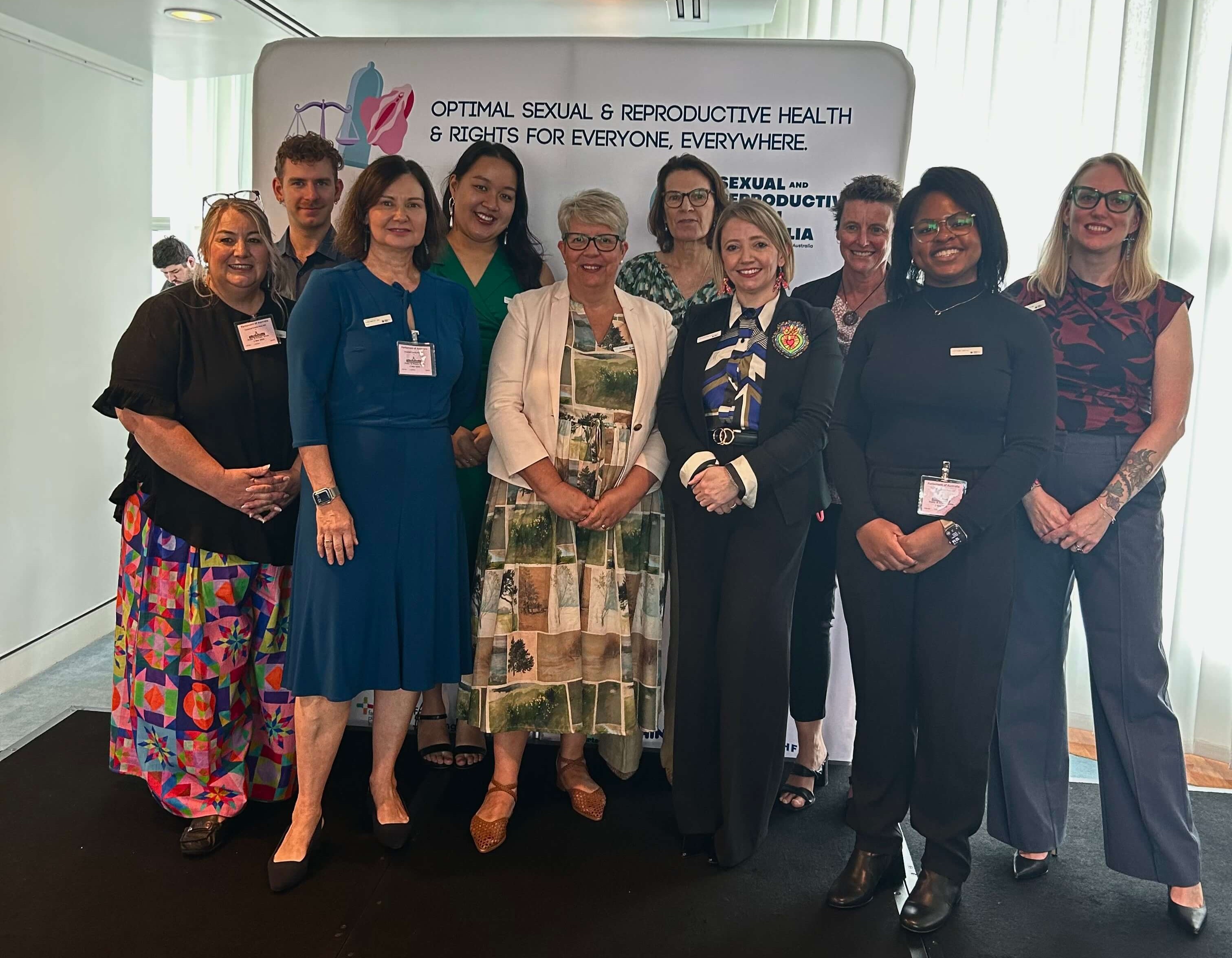
CAPTION: Sexual and Reproductive Health Australia, the Parliamentary Friends of Women's Health and sector stakeholders asked all the hard questions impacting Australian women on 2 March, 2026 in Canberra.
Sexual and reproductive health should never be a taboo topic, says True CEO Donna Bonney.
Yet for many Australians, questions about contraception, sexually transmissible infections, pregnancy termination care and relationships still feel uncomfortable to raise — whether in clinics, classrooms or public debate.
When these conversations are avoided, people miss out on the information and care they need.
This is the very reason that Sexual and Reproductive Health Australia (SRHA), in partnership with the Parliamentary Friends of Women’s Health, hosted an event titled “You Can’t Ask That!” at Parliament House in Canberra on 2 March 2026.
The event brought together people with lived experience, clinicians, policymakers and sector leaders to openly discuss the tricky, taboo, and sometimes confronting questions surrounding sexual and reproductive health.
Alongside representatives from sexual and reproductive health organisations from across the country, Donna contributed to the national conversation about improving access to sexual and reproductive health services, and addressing long-standing inequities in the system.
“Sexual and reproductive health is fundamental healthcare. Events like this are critical for ensuring it not only remains part of the national policy conversation, but becomes a strong focus for government investment,” Donna said.
Breaking down barriers to care
Every speaker drew attention to the many urgent and ongoing challenges facing sexual and reproductive healthcare in Australia.
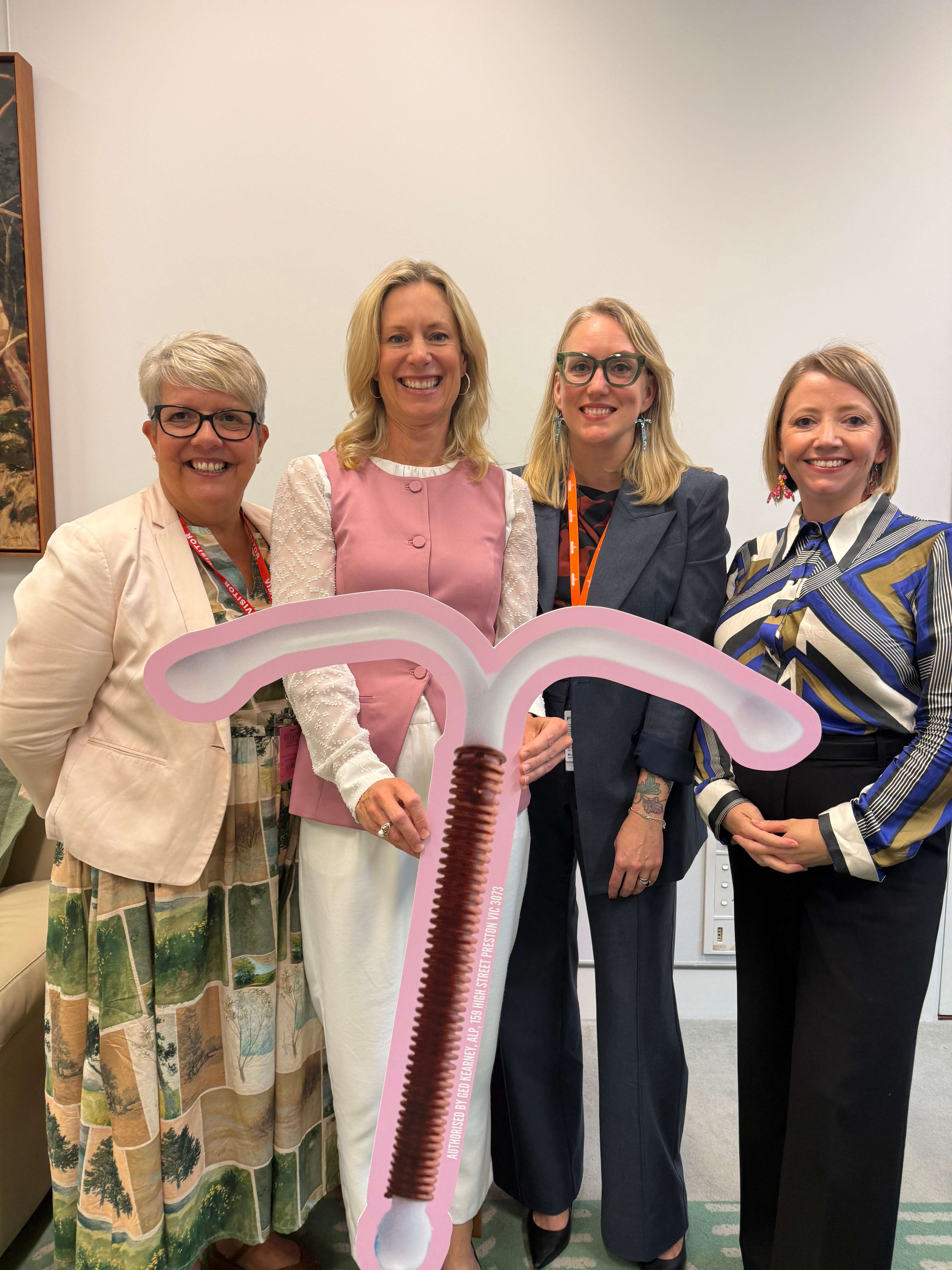
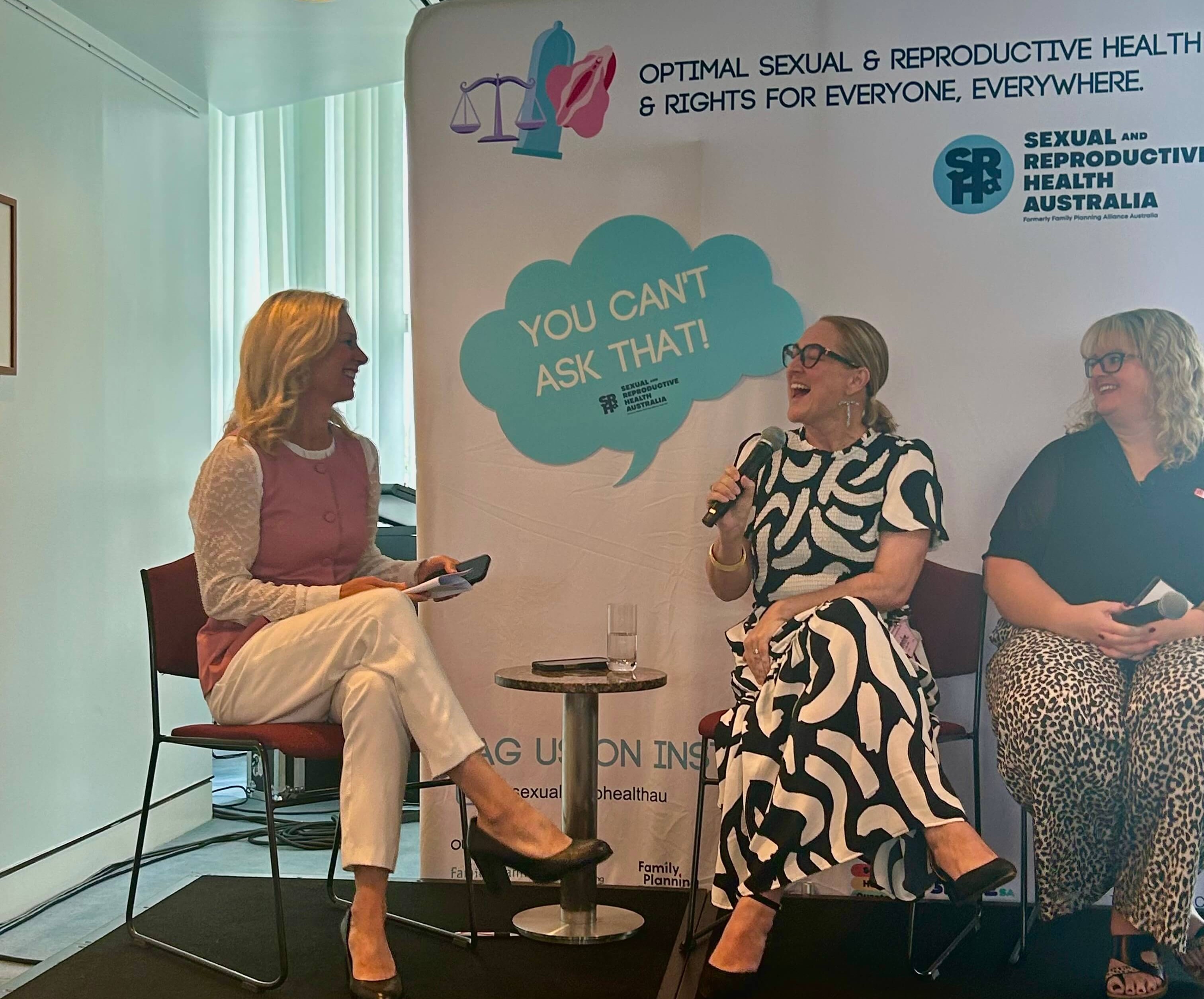
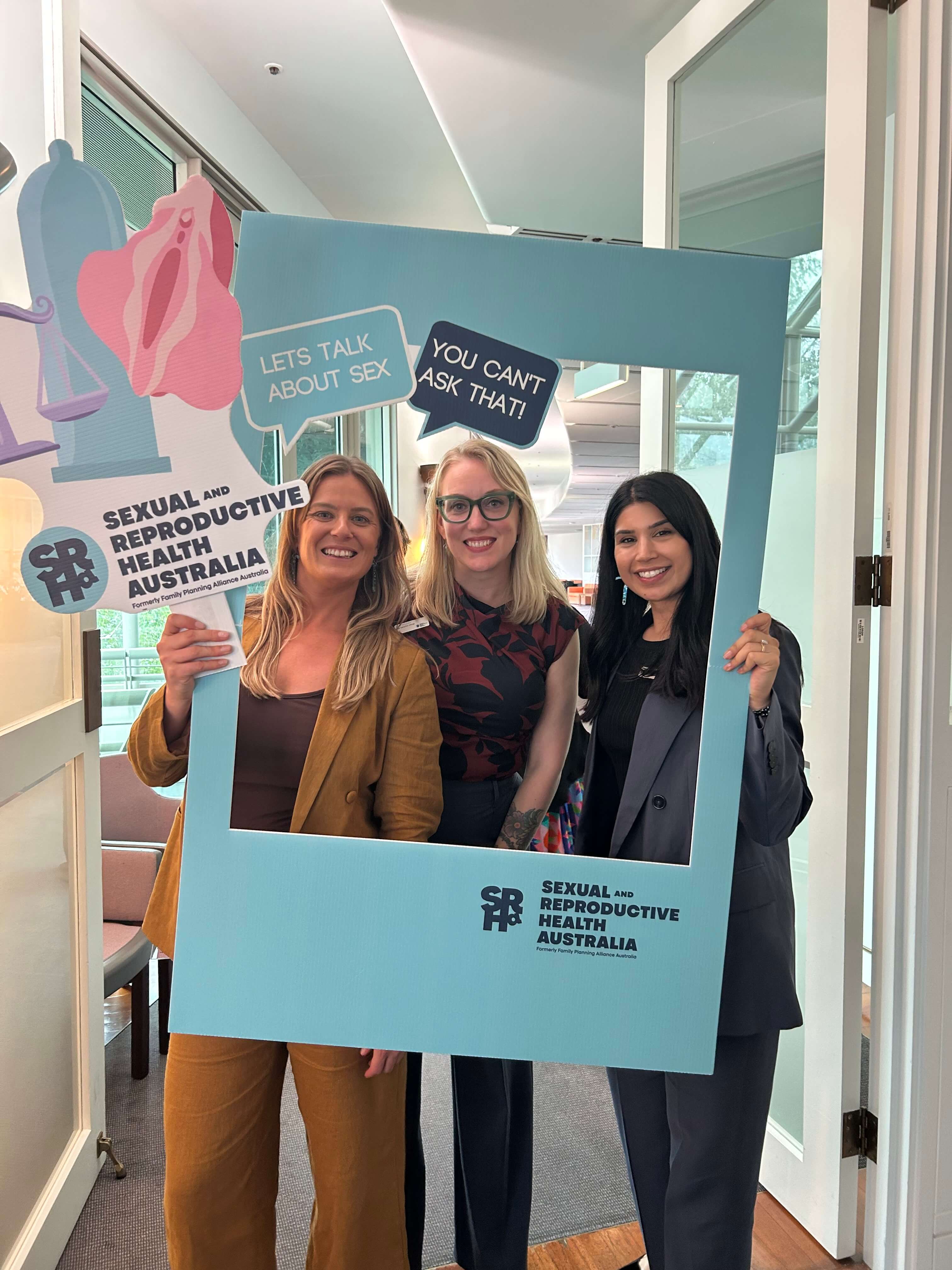
CAPTION: "You Can't Ask That!" participants have the critical discussions to break down barriers to care.
- destigmatising sexual health and increasing access to Sexually Transmitted Infection (STI) testing
- addressing the access inequities around termination of pregnancy, especially in rural and remote communities
- ensuring comprehensive sexuality education is properly funded and nationally consistent
- tackling workforce shortages that limit access to care
- combating the growing influence of online misinformation and deliberate disinformation.
“Even though we know what a critical issue this is, access to sexual and reproductive health services in Australia is still inequitable,” Donna said.
“It’s disappointing that in 2026 there are still people across Australia facing barriers to essential health services like STI testing, contraception, pregnancy termination care and evidence-based sexual and reproductive health education. Your postcode shouldn’t decide your healthcare choices”.
“Everyone — regardless of their age, cultural background or where they live — should be able to access these critically important services,” she said.
“If we’re serious about improving health outcomes, we need sustained and significant investment in multicultural sexual health programs, comprehensive sexuality education in schools, and the sexual and reproductive clinical services that communities can rely on every day.”
CAPTION: True's CEO, Donna Bonney, says collaborative action is how we build a stronger, more equitable sexual and reproductive health system for everyone.
A national conversation that must not only continue, but must also become action
Federal representatives at the event outlined recent investments aimed at improving women’s health outcomes, including the Australian Government’s almost $800 million women’s health package, and the expanded support for contraception and essential medications.
While grateful for the existing investment, event speakers made it very clear that lasting progress will require sustained national leadership — including stronger policy settings, workforce investment and ongoing efforts to dismantle stigma.
As Senator Marielle Smith noted during the discussion: “Stigma is the enemy of good public health policy.”
“For True, these national conversations really matter,” said Donna.
“The challenges raised on 2 March reflect the experiences we see every day in our clinics, education programs and communities.
“Breaking down stigma and investing in the sexual and reproductive health workforce and services people rely on is essential if we want equitable access to care.
“Events like You Can’t Ask That! highlight the importance of open, evidence-based conversations about sexual and reproductive health — not just in clinics and communities, but also in the halls of Parliament, and in the Board rooms where social responsibility and partnerships are being discussed," she said.
“Real progress will require genuine partnerships between government at every level, the not-for-profit sector and private enterprise,” Donna said.
In her closing remarks, Daile Kelleher, CEO of Sexual and Reproductive Health Australia (SRHA), reaffirmed SRHA’s four national funding and policy priorities, calling on the government to:
- invest in comprehensive sexuality education
- strengthen and expand the sexual and reproductive health nursing workforce
- improve access to contraception and pregnancy termination care
- address stigma at a structural and policy level.
Donna said: “True is an active participant in the SRHA network. Together with SRHA, we advocate for stronger policy, workforce investment and equitable access across Australia. Collaborative action is how we build a stronger, more equitable sexual and reproductive health system for everyone.”

